



As the Ministry of Defence (MoD) sets the stage for unveiling a revamped Defence Acquisition Procedure (DAP) by the end of 2025, declaring the “Year of Reforms”, a critical voice from the industry has called for a radical overhaul of the current system.
Rajinder Singh Bhatia, President of the Society of Indian Defence Manufacturers (SIDM), underscored the urgent need to dismantle bureaucratic silos and simplify the labyrinthine acquisition process to speed up military modernisation. Speaking during an interaction with the BharatShakti editorial team, moderated by Editor-in-Chief Nitin A. Gokhale, Bhatia highlighted structural flaws in DAP 2020 and proposed sweeping changes ahead of the new iteration.
“The current DAP is a 1,000-page monolith, difficult to read, harder to implement,” Bhatia said. “Everyone, including the Defence Secretary, has acknowledged that the system needs a complete overhaul.”
Dismantling Silos: A Governance Challenge
Bhatia identified one of the most critical obstacles as the entrenched silo-based functioning of defence stakeholders, ranging from the Services to the MoD, testing agencies, and the private sector. These silos, he argued, lead to miscommunication, duplication, and crippling delays.
Drawing from the pandemic-era experience during COVID, Bhatia cited examples of expedited licensing and clearances that were completed in under 90 days, processes that usually drag on for years.
“We know how to break silos. We’ve done it under pressure. The challenge is to institutionalise that speed in normal times,” he asserted.
Emergency Procurement Shows the Way
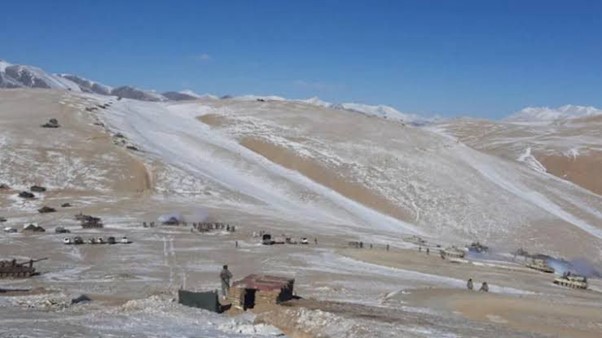
Referencing India-China military stand-off and post-Operation Sindoor emergency procurements, Bhatia said trials, RFPs, and contracts were completed within 12 months, proving that timelines can be compressed without compromising on quality or oversight.
“If we can do it under stress, why not in peacetime?”
He proposed that Requests for Proposals (RFPs) should be accompanied by pre-constituted evaluation committees with clear timelines, cutting down months of procedural delays. “Why should technical evaluations take three to six months when it’s largely a paper exercise?” he asked.
Rethinking Trials and Testing Infrastructure
Bhatia recommended a more rationalised approach to user trials.
“Why conduct maintenance and DGQA trials on every vendor when most don’t even pass user trials? Let’s prioritise,” he said.
He also advocated for a public-private partnership model for testing infrastructure. While acknowledging that large-scale testing ranges are beyond the reach of private players, he argued that facilities like environmental chambers or electronic labs could be developed by industry if allowed on a for-profit basis.
“We’re not against public interest, but private players are accountable to shareholders. It’s unrealistic to expect them to invest crores without any returns,” Bhatia said, adding that independent third-party testing setups would also help eliminate conflicts of interest.
Addressing Payment Delays
Another major grievance from the industry, particularly MSMEs, remains delayed payments, even after successful delivery and acceptance. Bhatia highlighted systemic discrimination in payment terms, drawing a comparison to the smoother experience of foreign vendors.
“Foreign suppliers are paid immediately after pre-delivery inspection. Indian firms, especially MSMEs, face months of delay, even after JRI and all paperwork is done,” he said. “This is hurting 500 of our 770 SIDM members, most of whom are small businesses.”
He recommended that contracts, which follow standard templates, be signed within seven days of selection and that payment processes be aligned with timelines followed under Line of Credit arrangements for foreign vendors.
Looking Ahead: From Policy to Execution
With the MoD committing to reworking DAP 2020 and introducing DAP 2025 in the coming months, Bhatia’s remarks serve as a timely reminder that policy reform must go beyond rewriting documents.
India is on the cusp of becoming the world’s third-largest economy. If we want our military to match that stature, we need to think and act like a big country,” Bhatia concluded.
Team BharatShakti