


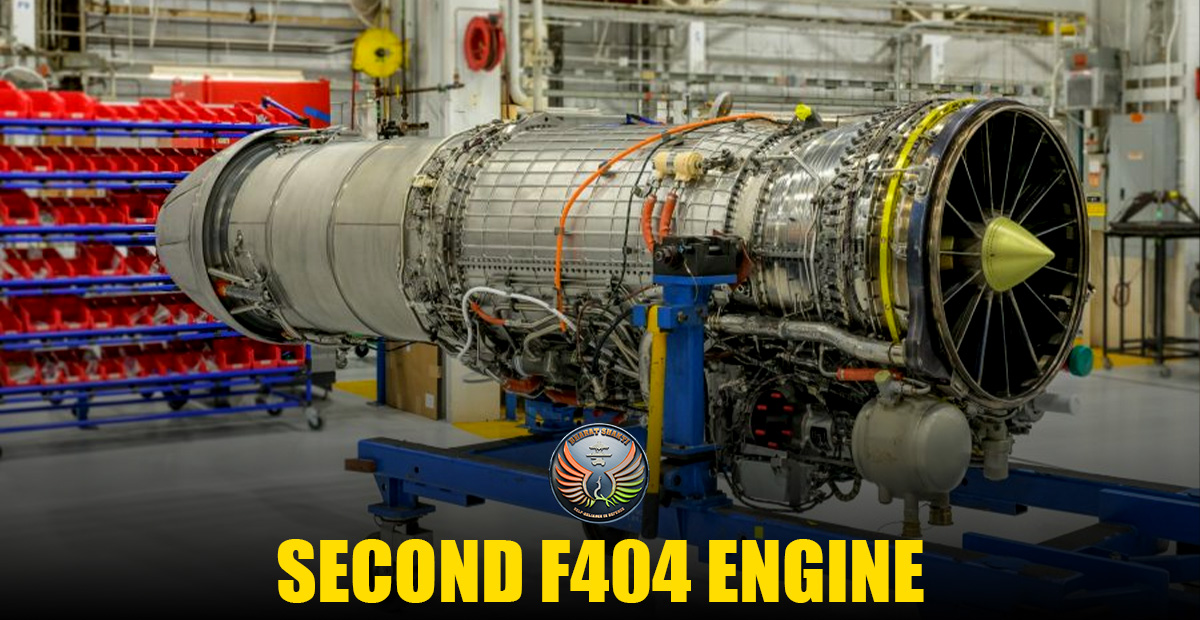
US-based General Electric (GE) has delivered the second F404-IN20 engine to Hindustan Aeronautics Limited (HAL), marking another step forward for India’s Tejas Mk1A fighter jet production. As engine supplies begin to stabilise, a key question emerges: Is the long-delayed LCA program finally regaining its footing?
The latest engine, shipped on July 13, follows the delivery of the first unit in late March. GE now aims to supply two engines per month—enough to match HAL’s intended aircraft rollout rate and potentially erase much of the lag caused by earlier disruptions.
Delays and Recovery Efforts
The Rs 48,000 crore deal signed in February 2021 covers 83 Tejas Mk1A aircraft (including 10 trainers), with deliveries expected initially to begin in 2024. However, progress was hindered when GE’s F404 engine line, which had previously shut down due to a lack of orders, had to be reactivated. The resumption was further complicated by a scattered vendor base and pandemic-era delays, pushing engine timelines back by over 18 months.
The first deliveries were significantly delayed, but GE’s recent shipments suggest that the supply chain may finally be settling into a more stable tempo.
HAL Adjusts Course
HAL had initially planned to deliver 16 Tejas Mk1As annually, but it is now preparing to ramp up to 24 jets per year. The company appears ready to scale production now that engine availability is less of a bottleneck.
Implications for the IAF
The Indian Air Force (IAF) remains a key stakeholder and is preparing to place an additional order for 97 Tejas Mk1A aircraft. Meeting this requirement will demand an uninterrupted production cycle. HAL now expects to deliver 12 aircraft by the end of the financial year.
The Mk1A variant, featuring AESA radar, updated avionics, and enhanced weapons capability, represents a significant upgrade from earlier Tejas models. Its induction is critical for the IAF’s modernisation plans.
Strengthening the Supply Chain
Beyond engine deliveries, HAL has also been strengthening its vendor network, bringing in new suppliers and increasing local manufacturing. This broader base is expected to reduce delays in component integration and support faster final assembly going forward.
Looking Ahead
While GE’s recent engine deliveries don’t remove the delays already faced, they do raise cautious optimism. If the two-per-month delivery rate is maintained, HAL may yet meet its commitments without further compromise. Whether this marks a full recovery for the Tejas Mk1A program remains to be seen. But the latest developments suggest that HAL is closer than ever to turning the page on a challenging chapter.
Team BharatShakti