



In a significant step toward enhancing India’s coastal defence capabilities, the Indian Navy will launch its final Anti-Submarine Warfare Shallow Water Craft (ASW SWC), named ‘Ajay,’ on July 21 at the Garden Reach Shipbuilders and Engineers (GRSE) shipyard in Kolkata.
This launch marks a major milestone in India’s efforts to modernise its anti-submarine warfare (ASW) fleet in response to growing undersea threats in the Indian Ocean Region (IOR), particularly from neighbouring adversaries such as China and Pakistan.
‘Ajay’: Indigenous Guardian of Coastal Waters
Yard 3034, christened ‘Ajay’, is the eighth and final ASW craft being constructed at GRSE under a contract to build 16 shallow water vessels for the Indian Navy. The remaining eight are under construction at Cochin Shipyard. These advanced vessels are specifically designed for anti-submarine operations in coastal and shallow waters and will replace the ageing Abhay-class corvettes currently in service.
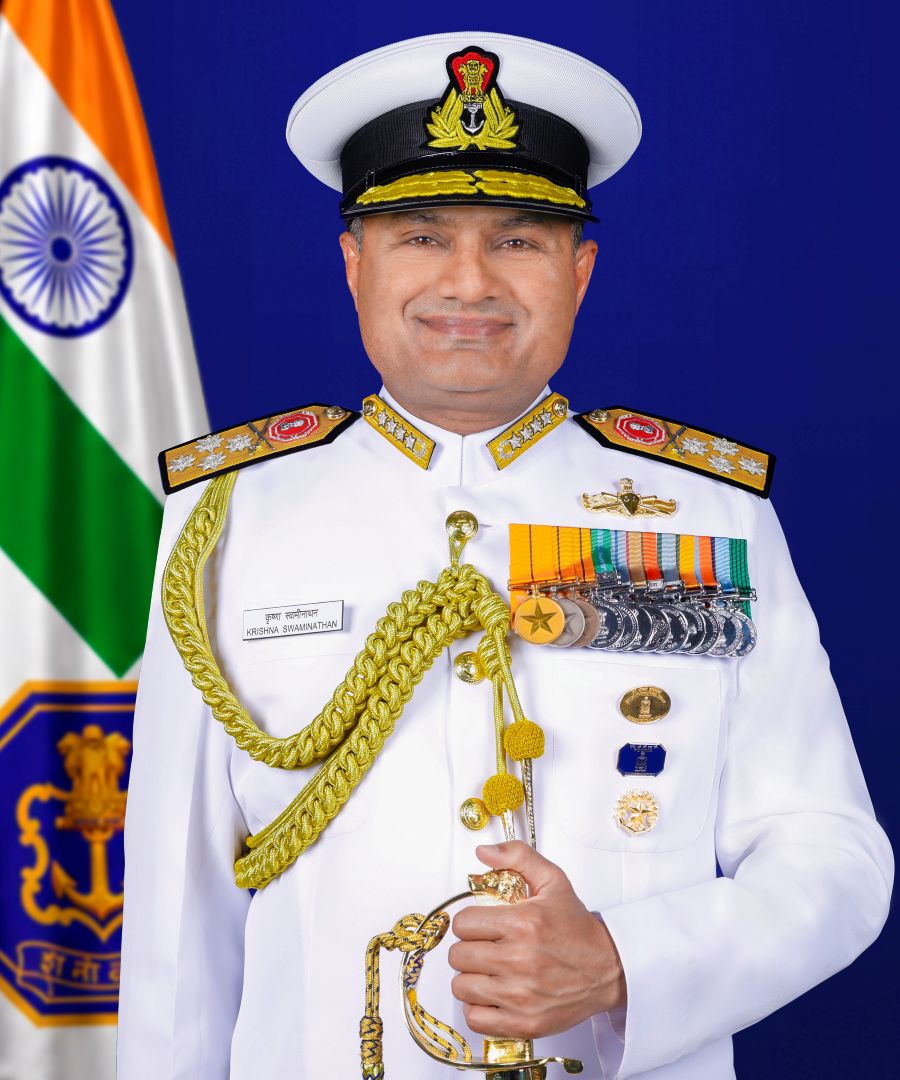
Vice Admiral Kiran Deshmukh, Chief of Materiel, Indian Navy, will attend the launch event.
Strategic Need for Coastal Submarine Hunters
The induction of ‘Ajay’ comes at a time when China operates a fleet of over 70 submarines, and Pakistan is on track to add 8 new Chinese-made submarines to its existing fleet of 5, with four being built in Karachi and the rest in China.
These developments have prompted India to accelerate the deployment of cutting-edge ASW platforms, such as the Shallow Water Craft. The first of the series, ‘Arnala’, was commissioned into the Navy on June 18 at Visakhapatnam by Chief of Defence Staff General Anil Chauhan, becoming the Navy’s first indigenously built ASW shallow water craft.
Advanced Capabilities: Precision in Shallow Waters
The ASW Shallow Water Craft is engineered to detect and neutralise enemy submarines operating close to the coastline, within a range of 100–150 nautical miles. These vessels are capable of manoeuvring in depths as shallow as 30–40 meters, allowing them to intercept submarines attempting to approach Indian ports or threaten larger naval vessels near the coast.
Key features include:
Anti-submarine rocket launchers; Lightweight torpedoes; 30 mm naval gun; ASW combat suite; Hull-mounted sonar and low-frequency variable depth sonar; Top speed: 25 knots (approx. 46 km/h); Endurance: 3,300 km per mission.
These ships also serve as pathfinders for larger warships, ensuring their safe movement in and out of harbours by clearing potential underwater threats.
‘Make in India’ Maritime Power
‘Ajay’ and its sister ships symbolise the Navy’s growing reliance on indigenous defence manufacturing under the ‘Atmanirbhar Bharat’ initiative. The project was sanctioned by the Defence Acquisition Council (DAC) in 2013 and tendered under the ‘Buy and Make (Indian)’ category in 2014. The contract, worth approximately Rs 13,500 crore, was awarded in 2019.
Each ASW vessel measures 77 meters in length and displaces around 1,490 tonnes. Designed for surveillance, search and rescue, and low-intensity maritime operations, they are versatile assets in safeguarding India’s vast coastline.
So far, one vessel (Arnala) has been commissioned, 11 ships have been launched, three ships remain under construction, and all 16 are expected to be delivered by 2026.
The launch of ‘Ajay’ completes GRSE’s commitment under the ASW Shallow Water Craft project and strengthens the Indian Navy’s ability to counter increasing submarine activity in the region. As India faces evolving maritime challenges, particularly from China’s expanding naval footprint and Pakistan’s growing undersea fleet, indigenous platforms like ‘Ajay’ are critical to ensuring strategic deterrence and operational superiority in coastal defence.
Huma Siddiqui