


Spurred by the ongoing war in Ukraine and concerns over the reliability and availability of Russian arms, Central Asian nations are reconsidering their reliance on Russia as a primary military supplier, says a report in BreakingDefense.com
According to the report by the New York-based website, these nations—Kazakhstan, Kyrgyzstan, Tajikistan, Turkmenistan, and Uzbekistan—are diversifying their arms sources, looking to countries like China, Turkey, and even the United States for alternatives.
U.S. Assistant Secretary at the Bureau of South and Central Asian Affairs, Ambassador Donald Lu, believes this shift is less about favouring China and more about moving away from Russia. “They’re not just looking at China; they’re looking at Iran, Europe, and the U.S.,” he said.
This change is partly driven by the strain Russia’s invasion of Ukraine has placed on its defence supply chain, which has made Russian equipment harder to acquire. Additionally, concerns over the performance of Russian arms in the Ukrainian conflict have raised doubts about their effectiveness in potential regional conflicts.
The Foreign Policy Research Institute highlights that Russia’s invasion of Ukraine has undermined its standing as a dependable security partner for Central Asia. This distrust, particularly prominent in Kazakhstan, stems from the invasion’s implications for sovereignty and regional stability.
While these countries have relatively modest defence budgets—Kazakhstan, Kyrgyzstan, and Tajikistan together spent just $1.84 billion in 2023—their strategic location at the crossroads of Russia, China, Afghanistan, and Iran makes them a focal point for geopolitical competition.
China has been a significant beneficiary of Central Asia’s shift, offering appealing arms deals and economic incentives. Turkey, too, is increasing its footprint, particularly through the export of drones and other defense technologies, building on its growing role as a global arms supplier.
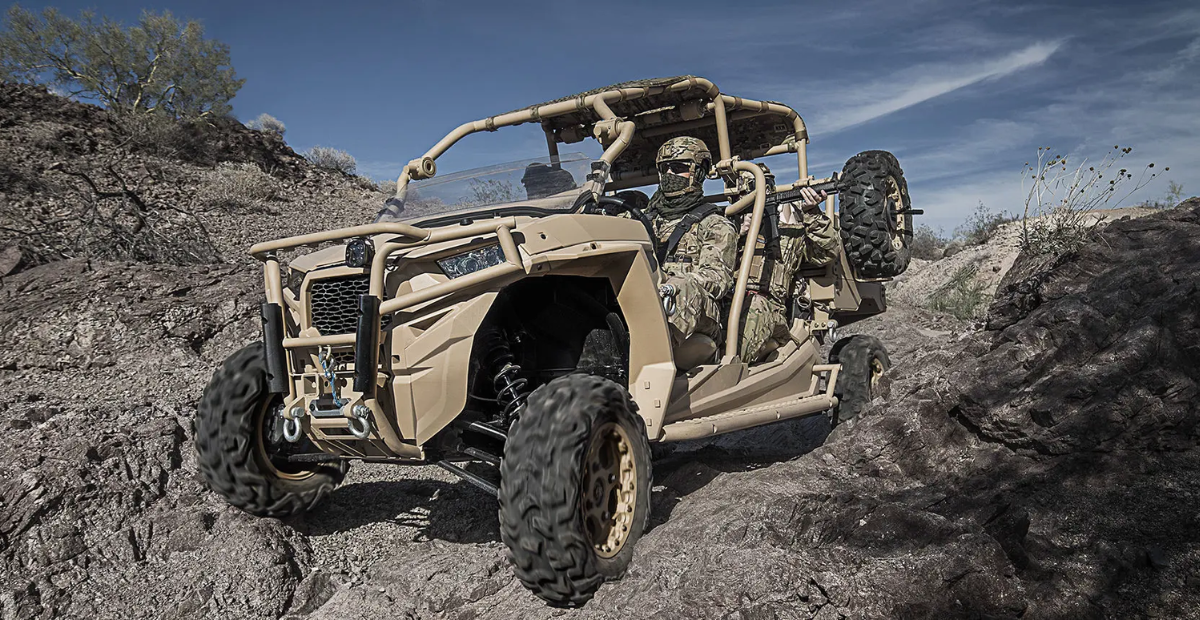
Meanwhile, the U.S. has observed heightened interest in American-made defense equipment from the region, though financial and technological barriers remain. According to U.S. officials, Central Asian nations are particularly interested in specialized capabilities, such as small arms, unmanned aerial vehicles (UAVs) with specific ranges, and over-the-horizon radar systems.
Despite these challenges, the U.S. sees opportunities to deepen defence ties with Central Asia through the gradual introduction of advanced systems. This interest in U.S. defence technology reflects a broader shift in the region’s strategic priorities, as these nations seek to balance their relationships with global powers in response to Russia’s apparently diminishing influence and the evolving global security landscape.