



On 6 August 2025, U.S. President Donald Trump slapped a 50% tariff on Indian imports, pushing India–U.S. relations to their lowest ebb since India conducted nuclear tests in 1998. The move underscored what many in New Delhi have long suspected: Washington’s foreign policy, especially under Trump, is transactional, unpredictable, and driven by short-term optics rather than long-term strategic alignment.
This diplomatic jolt carries a clear lesson – India’s defence posture must be rooted in hard strategic interests, not emotional gestures or political theatrics.
This risk is not hypothetical – it’s embedded in the hardware of India’s key defence platforms.
The Vulnerabilities Are Already Embedded in Hardware
Despite the rhetoric of self-reliance, several flagship “indigenous” platforms remain critically dependent on U.S.-made systems:
- Light Tank Zorawar, powered by a U.S.-origin Cummins VTA903E-T760 engine, is vital for high-altitude warfare but a chokepoint if Washington freezes exports.
- Project 17 & 17A Frigates Shivalik & Nilgiri classes run on GE LM2500 gas turbines, which India cannot yet manufacture or maintain independently.
- LCA Tejas Mk 1 & Mk 1A fly with GE F404-IN20 engines, leaving a key element of India’s airpower under U.S. oversight.
- Tejas Mk 2 & AMCA Mk 1 are planned to use GE F414 engines; even with co-production, true sovereign control over design and maintenance remains elusive.
Indian defence firms like Tata are crucial partners for U.S. OEMs. It must be a partnership of equals – not a dependency where Washington’s decisions can paralyse our capabilities,” Lt Col Channan stressed.
Strategic History Favours Clarity Over Sentiment
In 1971, when Nixon and Kissinger tried to intimidate Indira Gandhi during the Indo-Pak war, India responded with strategic decisiveness – signing the Indo-Soviet Treaty and leveraging Soviet naval power to counter the U.S. 7th Fleet in the Bay of Bengal.
“Today’s environment demands similar steel. Fanfare events like Howdy Modi in Texas or Namaste Trump in Ahmedabad may generate optics, but they offer little in the way of real strategic gains, especially under Trump’s second Presidency, marked by erratic swings and domestic political distractions. India must not anchor its defence posture to such political volatility,” points out the Indian Army Veteran.
Russia’s Enduring Relevance
India still operates one of the world’s largest inventories of Russian-origin systems – from tanks to fighter jets to submarines. Russia remains a leader in hypersonic technology, an area where India cannot afford to lag behind, especially against the China–Pakistan axis.
A Moscow-based analyst who wished to remain anonymous observed:
“The India–Russia defence partnership is built on mutual interests outside Washington’s influence. Over the past two decades, India has purchased $60 billion in Russian arms, 65% of its total imports. Neither side intends to abandon the other.”
F-35: A Sovereignty Risk Masquerading as a Capability Boost
Washington’s push to sell the F-35 to India has raised alarms in Moscow and among Indian analysts. Igor Korotchenko, Director of CAWAT, warned:
“The U.S. exports ‘bugged’ versions of these jets, which can be remotely disabled. If India acquires the F-35, it risks becoming a hostage to U.S. control.”
The threat isn’t theoretical – modern combat aircraft integrate deeply networked software and hardware, giving the original supplier potential kill-switch capabilities.
The Bottom Line
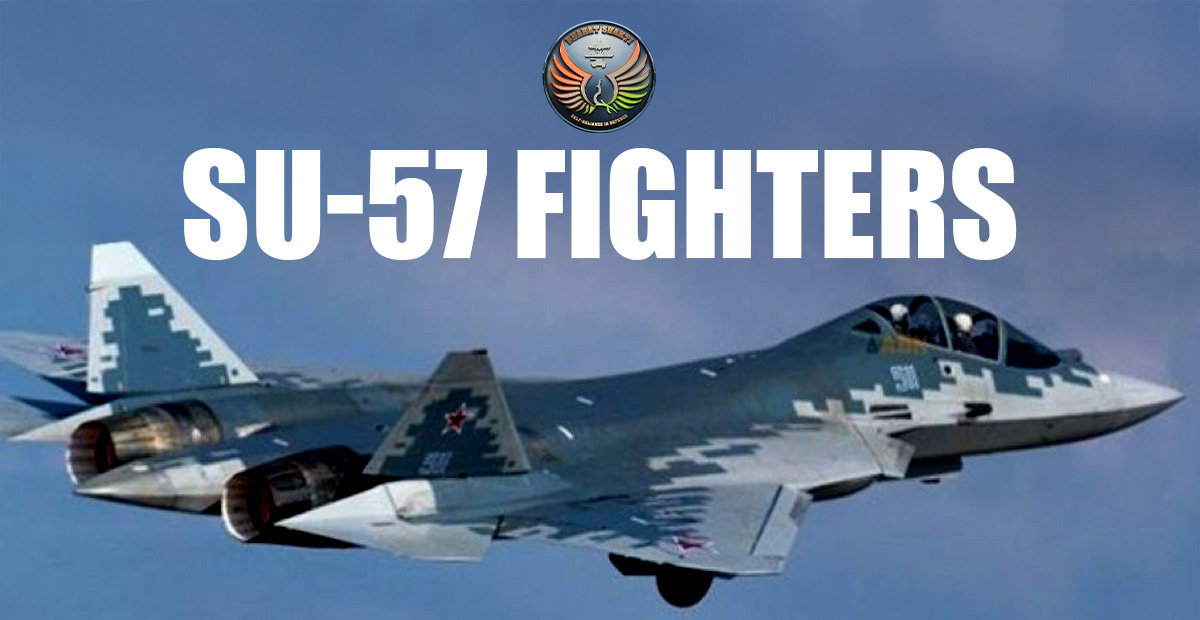
India’s co-production of Su-30MKIs under Russian licence – with full technology absorption and sovereign control – shows that advanced capability need not come at the cost of autonomy. Platforms like the Su-57E, tested against modern Western systems, offer an alternative path without ceding control to foreign political whims.
In an era of transactional diplomacy and great-power rivalry, India’s defence choices must be dictated by cold strategic logic, not by the warmth of a handshake or the optics of a rally stage.
Huma Siddiqui


