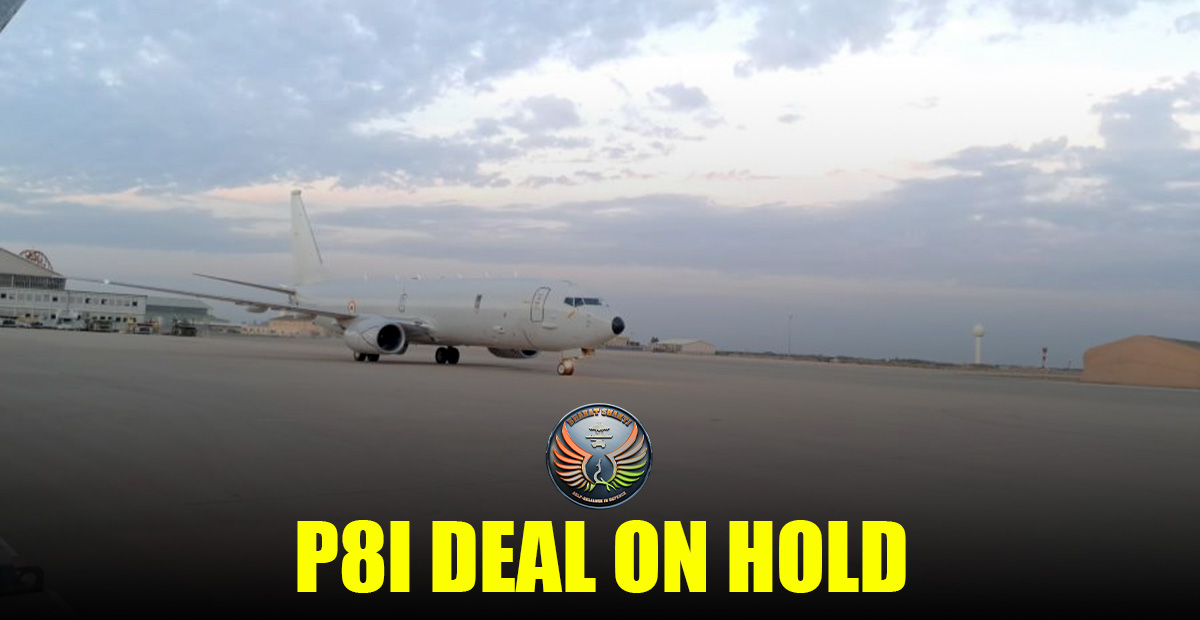
With the United States’ 25% tariff on Indian exports coming into effect in some days, India has decided to put on hold its proposed procurement of six additional Boeing P-8I Poseidon maritime surveillance aircraft, a deal that was nearing finalisation.
According to sources, the Indian government is re-evaluating the $3.6 billion defence purchase in the wake of escalating trade tensions, price hikes, and strategic recalibrations.
Tariff War Triggers Strategic Pause
The decision follows President Donald Trump’s recent announcement to impose steep tariffs on Indian goods, a move that has triggered economic and diplomatic ripples across sectors. The corridors of power in New Delhi are abuzz with signals that the deal may be placed on the back burner until the uncertainty surrounding the tariff war clears.
“The defence relationship remains important, but economic coercion cannot dictate strategic decisions,” a senior official said on condition of anonymity.
A Critical Naval Asset on Hold
The P-8I aircraft are critical assets in India’s maritime arsenal. The Indian Navy already operates 12 such aircraft, used extensively for monitoring the Indian Ocean Region (IOR), tracking submarines, and conducting surveillance during high-tension moments. Most notably, they played a major role during the standoff with China along the Line of Actual Control (LAC).
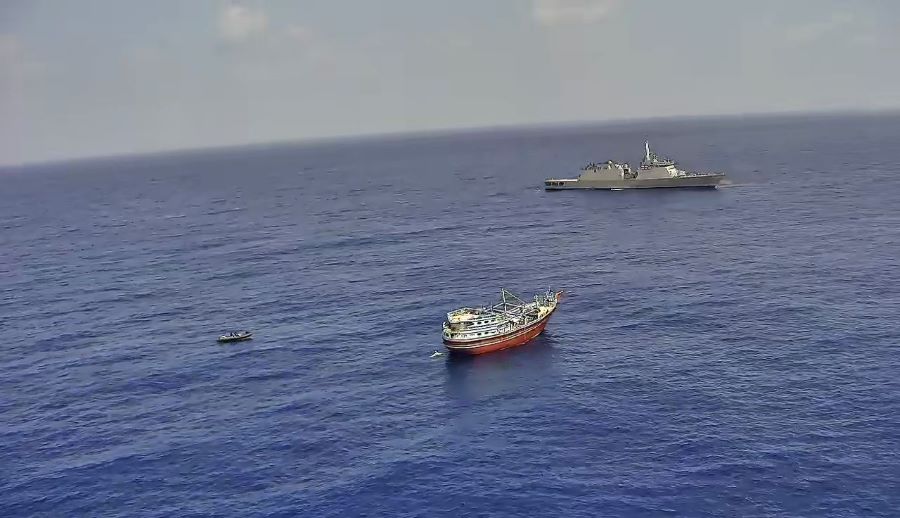
India was the first international customer of the P-8I in 2009, and the Navy has long viewed the aircraft as central to its strategic posture against growing Chinese naval activity, particularly vessels disguised as research or anti-piracy missions.
Deal History and Soaring Costs
It has been reported previously that India signed its first deal for 8 P-8Is worth $2.2 billion back in 2009. Then there was a follow-on order in 2016 when four more aircraft were added for over $1 billion. In 2021, the US approved the sale of 6 additional aircraft at $2.42 billion. However, this year, the price jumped up to $3.6 billion, and officials cited ongoing geopolitical uncertainty, supply chain disruptions and inflation.
While India had already raised concerns over the escalating costs, operational needs had initially kept the deal alive. However, the newly imposed tariffs have now pushed the government to reconsider.
Pressure from Washington
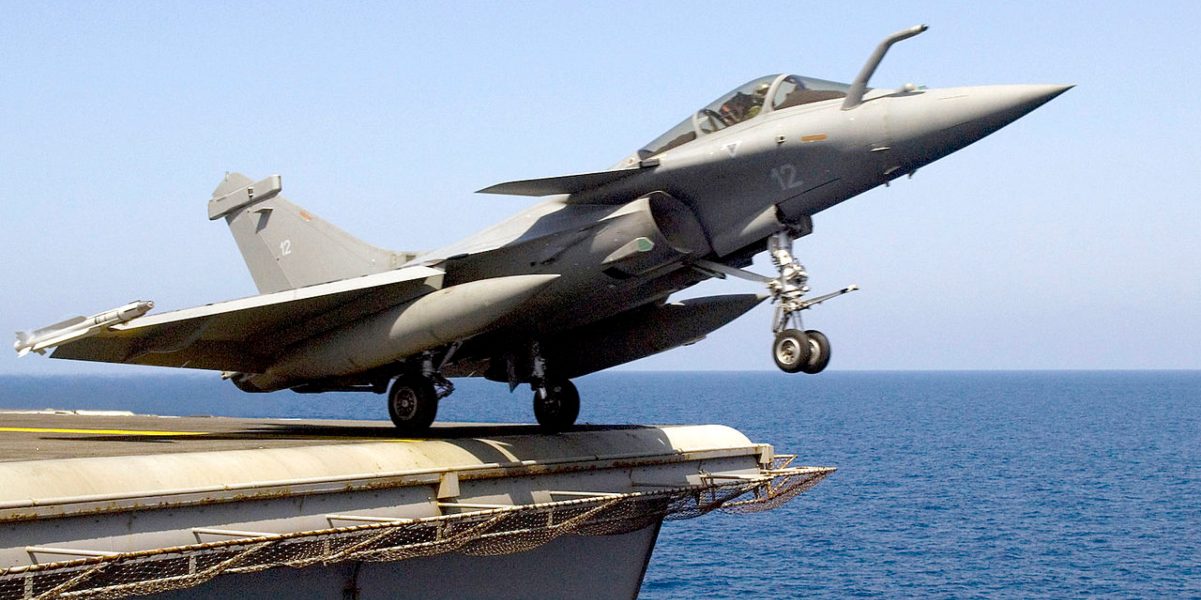
India has faced mounting pressure to acquire high-value US military platforms, including the F-35 fighter jets, F/A-18 Super Hornets, and more transport aircraft.
During a weekly briefing, the Ministry of External Affairs responded firmly, stating that “India’s defence procurements are determined by strategic requirements, not commercial or political pressure.”
Make in India: An Opportunity in Crisis
Defence analysts suggest that the current pause may open a window for indigenous development. The government is reportedly evaluating options such as Hindustan Aeronautics’ (HAL) proposed maritime patrol aircraft and unmanned surveillance platforms under the Defence Research and Development Organisation (DRDO).
“This could be a pivotal moment to accelerate India’s push for self-reliance in defence manufacturing,” said a senior defence analyst.
Deal Not Dead Yet
Talks with the US continue, particularly around price renegotiation. A final decision may hinge on how the broader trade dispute evolves in the coming months.
India’s decision to delay the P-8I procurement stresses how defence and diplomacy are increasingly entangled with trade and economics. As global supply chains tighten and geopolitical rivalries deepen, India appears determined to strike a balance between strategic necessity and sovereign decision-making.
Huma Siddiqui