



1. Overconfidence Doesn’t Work
By 2015, I had done 32 years in journalism and thought of myself as fairly well-established analyst-commentator on national security matters. So, starting a defence and security specific website would be a breeze, I had thought. Encouraged by friends like Ashok Atluri, with whom I reconnected after a gap and instantly converged on the basic philosophy for a defence platform that can be truly called India-centric, BharatShakti was conceptualised. There was no focused digital platform in India for defence, so we were confident of making a mark. He agreed to extend initial help.
I had scooped up an exclusive interview with the then Defence Minister Manohar Parrikar (onboard a military plane, travelling from Goa to Delhi, no less) as a first offering for the platform. So, there was excitement. But there was also nervousness.
Since I wanted BharatShakti to be a high-end product, it was decided to put the site behind a subscription wall. We went live as planned at midnight on 25th November, the site requiring visitors to subscribe by giving their email and phone numbers (but not pay any money). I had assumed most defence enthusiasts would take the trouble to subscribe out of curiosity, if not charity. At 6 the next morning there was precisely one subscriber! Panic set in. I immediately called Ramesh, our backend wizard and hastily removed the wall! In my overconfidence, I had misjudged the Indian reader. They will want to read quality stuff but are unwilling to take two extra steps to subscribe, even without payment. I quickly learnt never to take consumers for granted.
2. Media Entrepreneurship Is More Than Journalism
As someone who has been part of the launch teams at five of the seven media outlets that I was employed at between 1983 and 2014, chaos and initial confusion in the newsroom was not new to me. In November 2015, on 25th of that month to be precise, the ‘butterflies in the stomach’ feeling was dominant but natural.
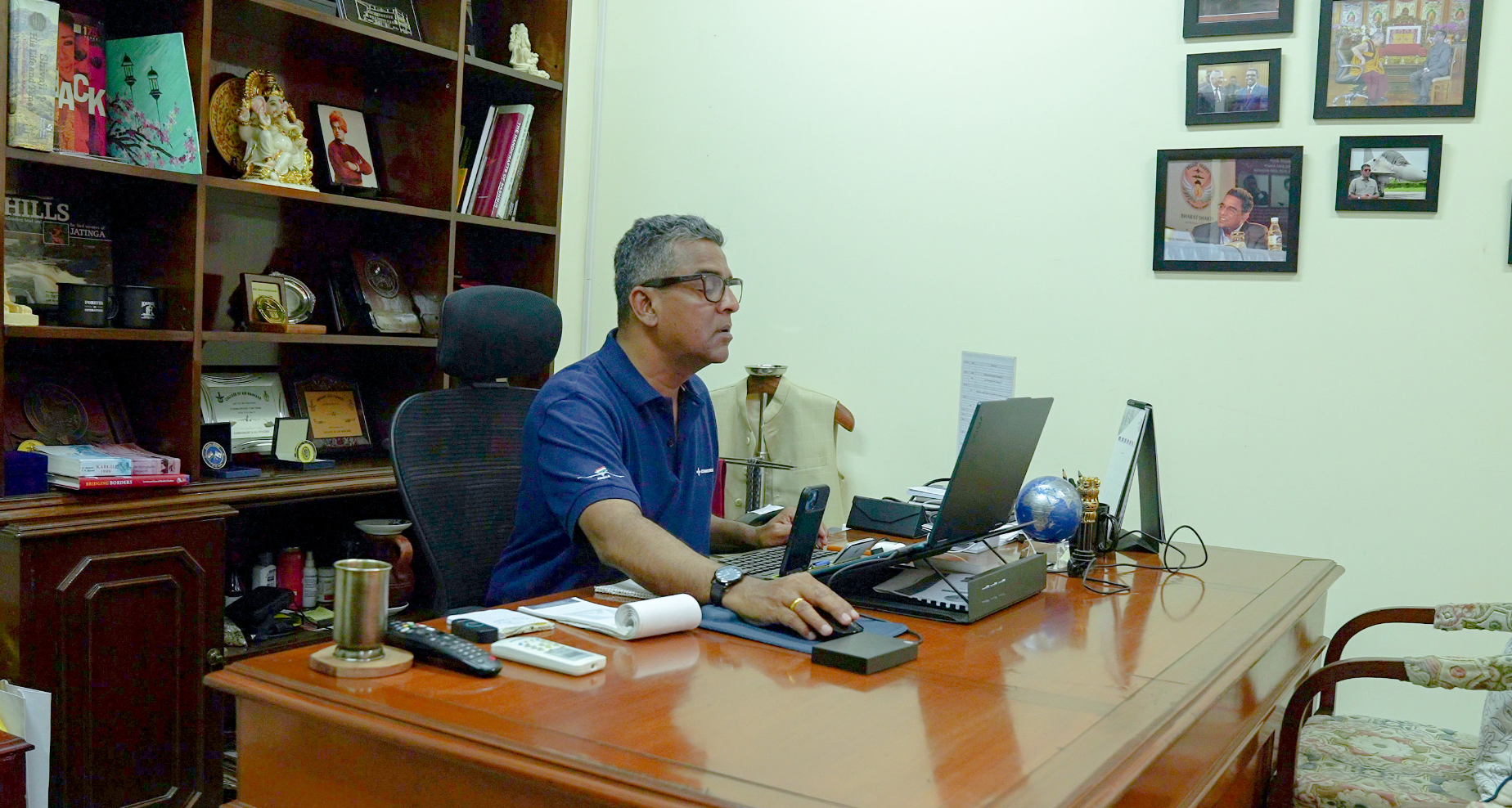
But more than anything else, it was the realisation that the buck stopped with me from hereon, made me nervous. For three decades before that, someone else always had my back. Here, I had the ultimate responsibility. For everything from editorial content to financial decisions. At the end of the month, I had to ensure that the team got its pay cheque on time and I made enough to support my family. There was no back up of an assured monthly salary. I had to be Editor, marketing manager, PR professional all rolled into one.
3. Credibility Is The Ultimate Strength
For three decades, I had built a reputation as a balanced, well-informed and dogged journalist who worked for frontline media entities. But as a media entrepreneur, I couldn’t depend solely on my personal standing. We had to build a brand that people trusted. My first colleagues, Brig S.K. Chatterji (Retd) and Neelanjana Banerjee, ensured we put out best quality content. Brig Chatterji brought his vast network into play. Neelanjana, much younger than us but with wider experience across radio, TV and early digital platforms, was constantly upgrading our design and the overall look of the platform and would always be bubbling with ideas. As we gathered pace, the BharatShakti team realised, readers and consumers wanted accurate (not necessarily fastest) news and balanced analyses. So, credibility became our chosen weapon. We started coming across occasional comments that said if BharatShakti is saying this, it must be correct. That pumped us up but also made us more responsible. We didn’t rush into making judgements nor did we see ourselves as competitors to breaking news on television.
4. Specialisation Matters
BharatShakti was designed to be a platform for defence discussions, debates and deliberations. Bringing in subject matter experts and experienced writers was the key to our content. Many former officers with varied experience came forward without reservation to share their expertise and write on subjects that would not normally find place in general websites or newspapers. RAdm Sudarshan Shrikhande (Retd), Lt Gen PR Shanker (Retd), VAdm Pradeep Chauhan (Retd), Brig Sunil Gokhale (Retd), Maj Gen PK Chakravarthy (Retd) are some of the names that come to mind immediately as our regular initial contributors. Without their scholarly contributions, BharatShakti would not have become the specialised platform that it is now. Conclusion: Specialisation cannot be replaced with general knowledge.
5. Defence Is Not Just About The Armed Forces
For decades, defence sector discussions in India mostly revolved around matters military: doctrines, strategies, tactics, operations, postings, promotions, leadership. And yes, import lobbies. Indian companies and MSMEs found South Block hard to breach and decision-makers hard to reach. The Modi government’s approach was, however, refreshingly different. Make in India had just been proclaimed. Manohar Parrikar as defence minister had started ventilating the stuffy corridors of South Block with his radical ideas.
Suddenly, military officers were reaching out to industry; policies were being amended, designed to encourage Indian industry. Naturally, we caught the trend early and decided to provide our platform for procurement, acquisition and industry news and events. The bi-annual DefExpo and Aero India shows became a must visit events in our calendar. BharatShakti was meant to be a voice for a changing India and for Indian industry.
We were newcomers and the Indian defence industry was also beginning to take baby steps towards reforms. Our association was a natural consequence. The platform’s ambit widened. From a pure military-oriented portal in the first few months, we expanded into a military-industry-technology focused platform. Defence in our book therefore became much more than the military alone.
6. Serendipity Is Real
A portal is a portal. There would be many platforms aspiring to focus on defence if not national security, we realised early. BharatShakti needed an X-factor to stand out. As we were racking our brains on how to be distinct, Air Commodore Shaun Clarke of the New Zealand Air Force and then the Defence Attache to India (based in Canberra of all places) came calling. He wanted to have a chat on India’s defence and security policies. We met. Chatted. Hit off. He went back to Canberra and came back again. This time, I said come home for a drink. A little more relaxed, we chatted about his family (I am married to a Maori woman, he said if I remember correctly), about his dreams after leaving the Air Force.
I told him about how we had just launched BharatShakti and how our boys were just beginning college. As the evening progressed, feeding ourselves on delicious snacks cooked by my better half, Shaun mentioned something I didn’t know. “We have an association of Foreign Defence and Military Advisors/Attaches posted here in New Delhi. We, as a group, always want insights into the Indian defence sector. Why don’t you collaborate with the group,” Shaun casually said during the conversation over drinks that evening. But his intent wasn’t casual. He actually put me in touch with the Dean of the Association (a Ghanian Officer I think at that time).
I went to meet him and within days, the idea of organising a conference bringing together different stakeholders (military users, procurement professionals, defence industry representatives, think tanks and analysts) was born. We decided to call it the DAs’ Conclave.
The first two editions were organized at the Manekshaw Centre. Here an old friend, Lt Gen VG Khandare, then the Director General of Defence Intelligence Agency (DIA) under MoD, came to our rescue. One of his mandates as DG was to interact with Foreign DAs. He and his staff, among them Col (now Brigadier) Jaswinder Singh, mobilised the Foreign DAs. I reached out, rather tentatively to Indian and Foreign Defence OEMs. By then Manohar Parrikar had become a friend. He enthusiastically backed the idea and came to inaugurate and interact with the participants. This was a first: Defence Minister of India, directly interacting with Foreign DAs and industry in presence of top military officials, discussing, debating merits and demerits of defence procurement policies.
Thus was born our annual marquee event, the DAs’ conclave, renamed India Defence Conclave in 2021. Serendipity at its best. Two other people, Mr Satyanarayan Nuwal of Solar Aerospace and Defence and Mr Baba Kalyani of Bharat Forge, whom I met by chance, have been pillars of strength. They have been an inspiration as well as a big support in sustaining our journey, even through the difficult period of Covid.
I wonder what would have happened if I had not met Shaun… what if Manohar Parrikar was not the defence minister…what if the MoD had not adopted openness around the time we launched BharatShakti…what if I had not reconnected with Ashok and not run into Mr Nuwal and Mr Kalyani…what if so many people had not helped us along the way? So many what ifs!
7. You Are As Good As Your Team
As we gear up to mark our 10th birthday and the 10th edition of the annual event, I consider myself singularly lucky to have enthusiastic, talented and committed colleagues who treat BharatShakti as their home and consider themselves stakeholders in its journey.
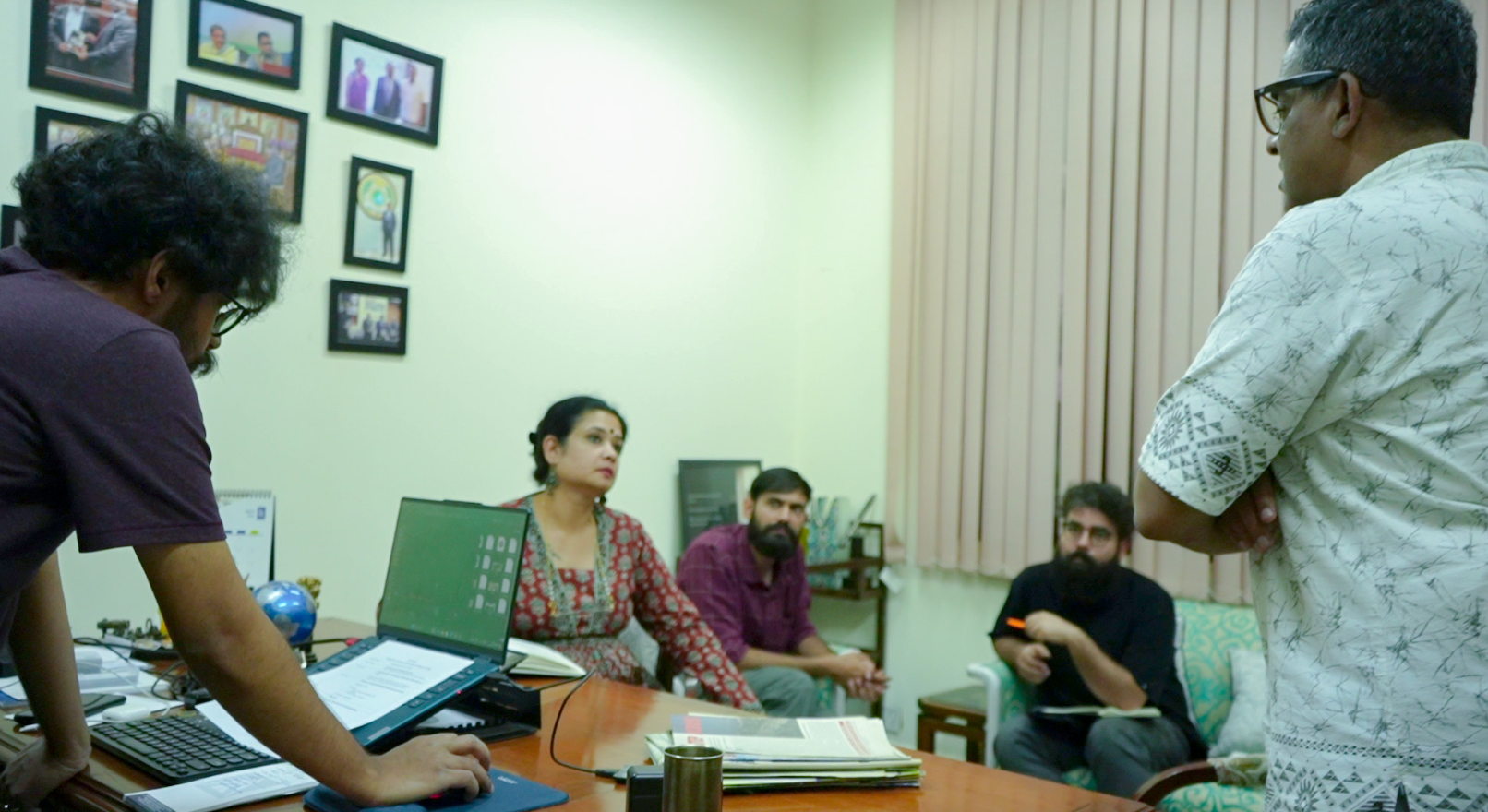
Brig Chatterji who took care of the day-to-day running of the website, especially in selecting and doing quality checks on the content, Neelanjana, who practically treats the annual conclave as her baby and single-handedly directs its execution along with Rohit (Pandita), Aditya (Lenka), to name just four. But, the entire team of about 38 people who have joined the group one after another over these 10 years, as we started growing, are equal partners in our success proving once again the old adage, you are as good as your team. I may be the face of BharatShakti but behind me is the multi-talented group of people that toils hard—and parties harder—after the successful conclusion of the annual event every year. Without them, BharatShakti wouldn’t be what it is today.
8. Old Rules Are Still Valid
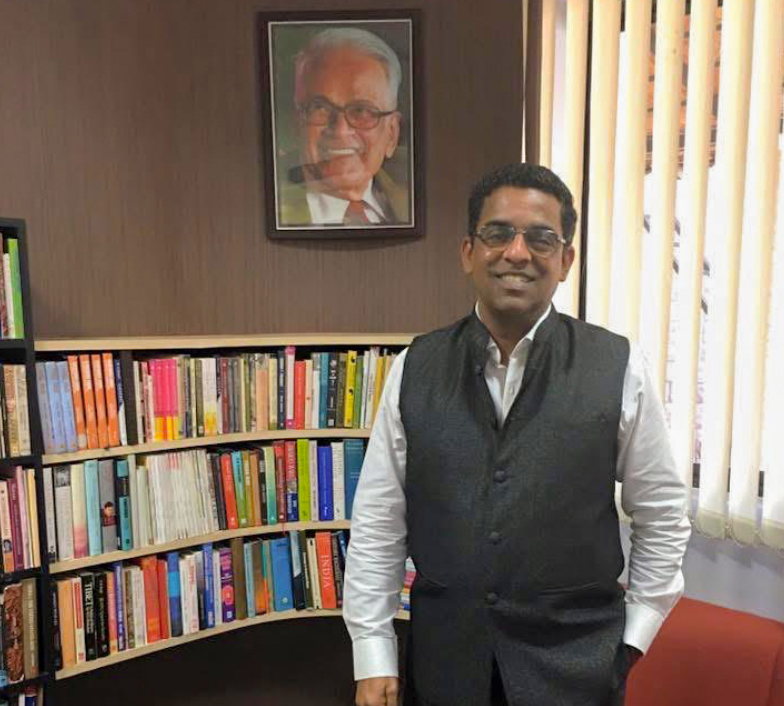
All my life, bar the last decade, all that I had to take care of was to get information and disseminate it to the best of my ability to my readers or viewers, without compromising on accuracy and speed, applying three cardinal rules that my mentor in journalism Mr MV Kamath had imbibed in me four decades ago: First, do serious work but never take yourself too seriously. Second, you are as good as your last by-line (translation: you are as good as you did yesterday) and third, it is more important what you don’t write or say than what you make public (translation: discretion and responsibility is the key in the field of reporting national security matters).
As a media entrepreneur, I stuck to same basics, not running after temporary glory or trends, taking my time to establish the brand, building a team that ideated often and executed the plan with precision. In journalism as in business, it is important to know the limits of your ambition, to draw your own boundaries and not aim to reach the moon in double quick time, only to fall like a vanishing meteor. Patience is an asset, not a liability.
9. If You Are Passionate, Work Is Not A Burden
I am often asked why in my sixties I still work like a busy intern. The answer is simple: It’s not work. It’s passion. If you are passionate about something, it will never feel like a burden. I am still able to work enthusiastically because I believe in what I do. Whether it makes any difference, whether our work is seen as a worthwhile contribution or not, is for others to judge but so long as I am passionate about what we do at BharatShakti, we will march on, God willing.
10. Family Support Is Invaluable
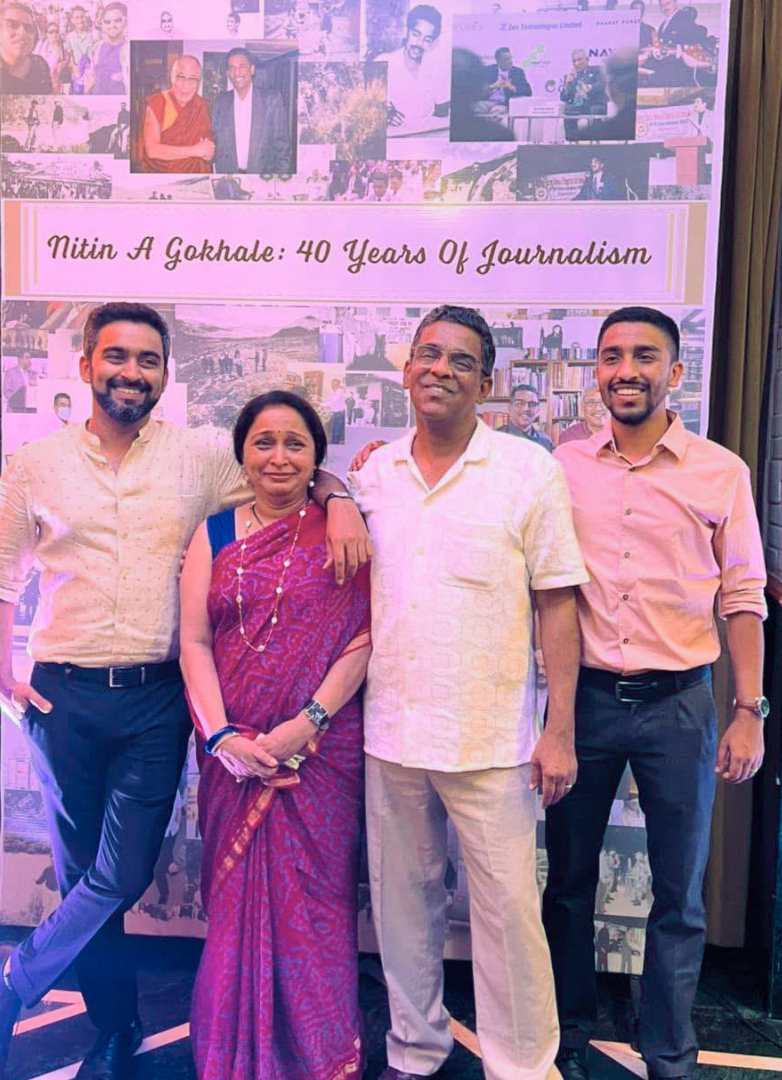
In my 42-year journey in journalism, countless mentors, friends and colleagues have helped me grow professionally and personally. Without their timely support and guidance, I wouldn’t be able to do half the things I have managed to accomplish. National security decision makers at the highest level, military official, friends in the profession have all kept me on my toes with their timely inputs and advice but it is my immediate family, spouse Neha and the two boys, Harsh and Utkarsh, that has kept me on the straight and narrow path, acting as my first sounding board and critiquing me or my work, helping me keep my feet on ground when it would have been easy to get carried away by the glamour and a little fame that comes with the territory. Without Neha’s unconditional and unstinting support, I wouldn’t have dared turn an entrepreneur in my mid-fifties. Without that ‘safety net’, BharatShakti would have just remained an idea in my mind.

Author, thought leader and one of South Asia's leading strategic analysts, Nitin A. Gokhale has forty years of rich and varied experience behind him as a conflict reporter, Editor, author and now a media entrepreneur who owns and curates two important digital platforms, BharatShakti.in and StratNewsGlobal.com focusing on national security, strategic affairs and foreign policy matters.
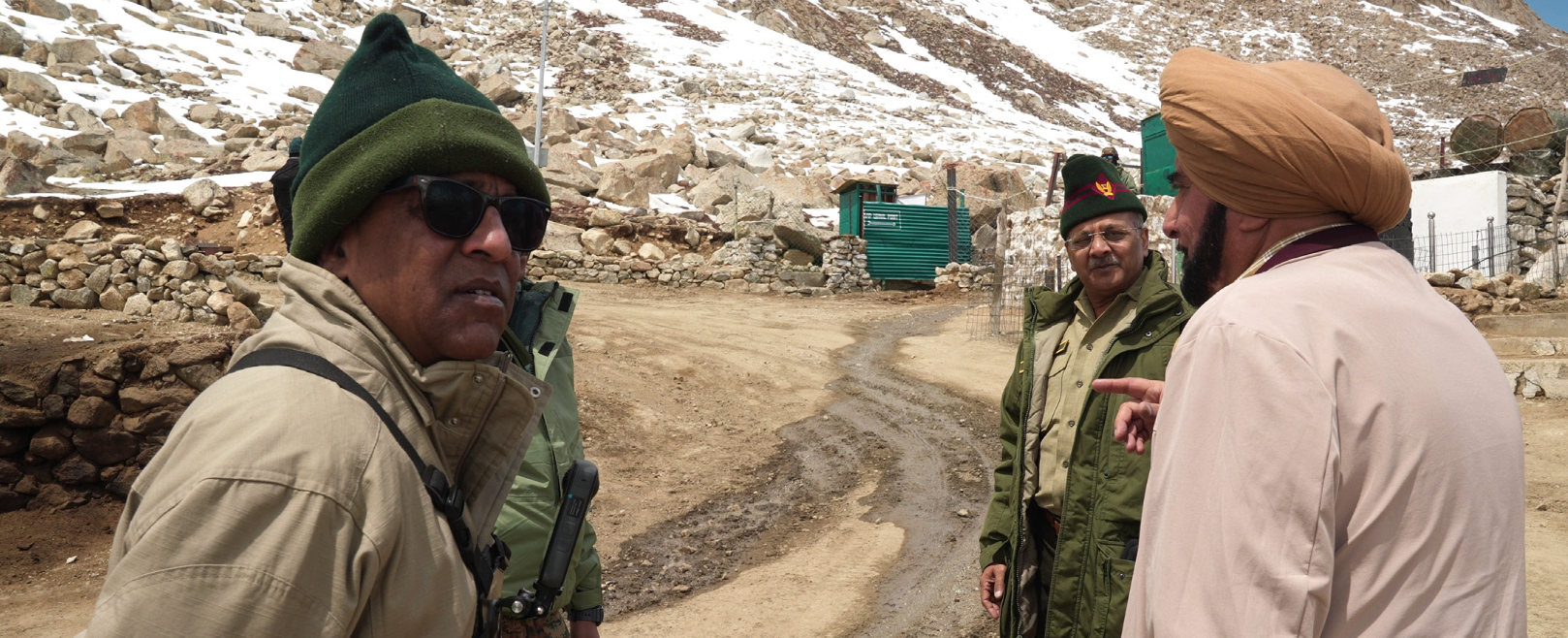
At the beginning of his long and distinguished career, Gokhale has lived and reported from India’s North-east for 23 years, writing and analysing various insurgencies in the region, been on the ground at Kargil in the summer of 1999 during the India-Pakistan war, and also brought live reports from Sri Lanka’s Eelam War IV between 2006-2009.
Author of over a dozen books on wars, insurgencies and conflicts, Gokhale relocated to Delhi in 2006, was Security and Strategic Affairs Editor at NDTV, a leading Indian broadcaster for nine years, before launching in 2015 his own digital properties.
An alumni of the Asia-Pacific Centre for Security Studies in Hawaii, Gokhale now writes, lectures and analyses security and strategic matters in Indo-Pacific and travels regularly to US, Europe, South and South-East Asia to speak at various international seminars and conferences.
Gokhale also teaches at India’s Defence Services Staff College (DSSC), the three war colleges, India's National Defence College, College of Defence Management and the intelligence schools of both the R&AW and Intelligence Bureau.
He tweets at @nitingokhale


