


The NATO alliance, often accused of provoking the Russia-Ukraine war and fueling instability across Europe, is now shifting its pressure tactics toward the Global South. India, China, and Brazil, three of the world’s largest emerging economies and founding members of both BRICS and the G20, are facing direct threats from NATO for maintaining their economic and diplomatic relationships with Russia.
Despite sweeping Western sanctions against Moscow, these countries have continued to engage with Russia and have refused to follow NATO’s lead. In response, NATO Secretary General Mark Rutte is intensifying his rhetoric.
NATO’s Ultimatum: Cut Ties with Russia or Face Consequences
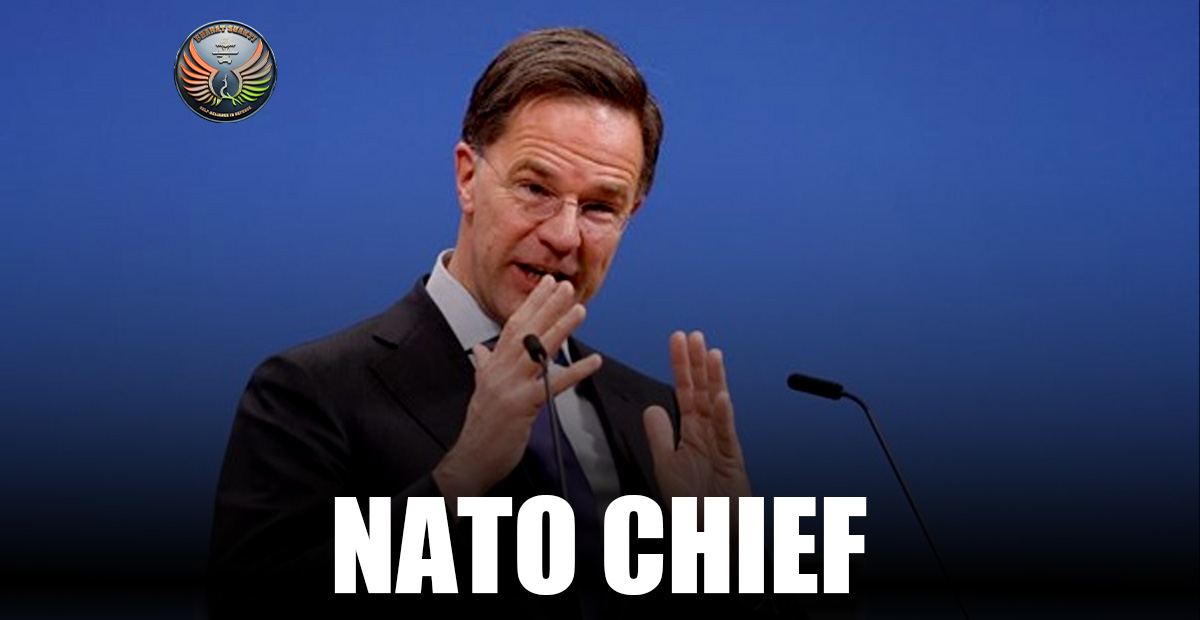
In a recent meeting with U.S. lawmakers, NATO Secretary General Mark Rutte issued a veiled threat: if India, China, and Brazil don’t pressure Russian President Vladimir Putin to engage seriously in peace talks, they could face “other sanctions.”
“My special advice to these three countries is that if you live in Beijing or Delhi, or you are the President of Brazil, then you should pay attention to this, because it can affect you very badly,” Rutte said. “Please call President Putin and tell him he must be serious about peace talks—otherwise, there will be serious consequences for Brazil, India, and China.”
This statement comes at a time when these nations are already under growing diplomatic and economic pressure from the West for not aligning with NATO’s anti-Russia stance. The implication is clear: if these key players in the Global South don’t fall in line, the West is prepared to escalate.
BRICS Defiance Amid Western Pressure
India and China have significantly increased trade with Russia since the start of the Ukraine conflict, particularly in energy and commodities. Brazil, too, has resisted NATO-aligned narratives, with President Lula da Silva openly criticising NATO’s role in escalating the war.
These stances represent a growing divide in global geopolitics. While the U.S. and its NATO allies attempt to enforce a unipolar order through sanctions and coercive diplomacy, the BRICS nations are charting an independent course, focused on multipolar cooperation, trade sovereignty, and diplomatic balance.
NATO’s Double Standards and Military Escalation
At the same time, NATO warns India, China, and Brazil that it is escalating military support for Ukraine. Just days ago, the U.S. announced it would supply Patriot missiles to Kyiv. Ukraine has also requested Tomahawk cruise missiles with a range of 1,300 km.
Rutte confirmed that, under NATO’s new funding model, agreed upon with former President Donald Trump, Europe will contribute more toward arming Ukraine, offering not just defensive systems but also long-range and potentially offensive capabilities.
“It’s both defensive and offensive,” Rutte admitted, referring to ongoing discussions between the Pentagon, European commanders, and Ukraine.
Trump’s Shifting Foreign Policy and NATO Alliance
While Trump had once labelled NATO “obsolete” and expressed admiration for Putin, his tone has drastically changed. On July 4, in a private phone call with President Zelensky, Trump reportedly asked whether Ukraine would be willing to attack Moscow and St. Petersburg if the U.S. provided weapons.
A Global Divide Deepens
As the war drags on, the NATO alliance appears determined to pull the Global South into its orbit through threats, sanctions, and coercive diplomacy. However, the efforts to isolate Russia are being increasingly challenged by rising powers such as India, China, and Brazil, which are opting for strategic autonomy over Western pressure.
Team BharatShakti