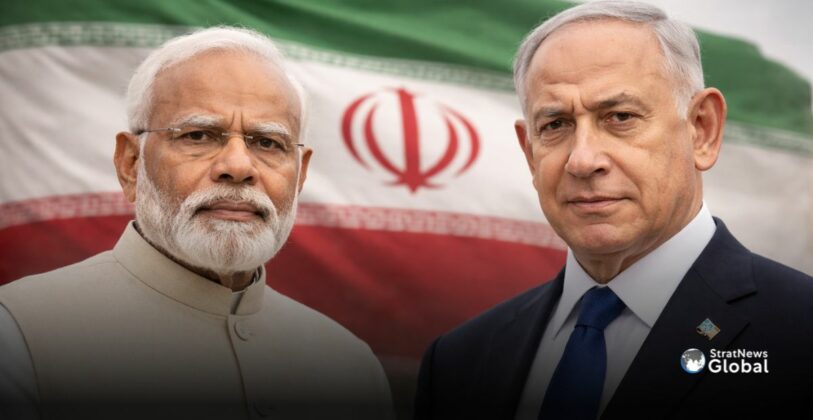



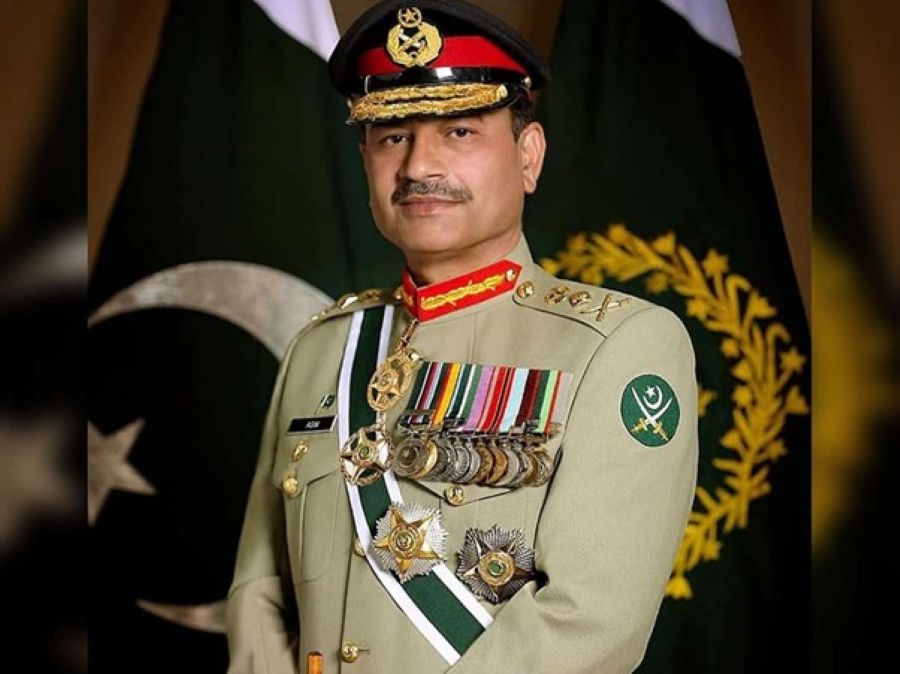
In a move that highlights growing strategic engagement between Islamabad and Washington, Pakistan Army Chief Field Marshal Asim Munir is set to visit the United States again. His second trip in just over two months comes at a diplomatically sensitive time, as U.S.-India trade tensions escalate and India navigates global reactions to its post-Operation Sindoor stance.
Agenda in the US
Munir will travel to the U.S. later this month to attend the farewell ceremony of General Michael Erik Kurilla, Head of the U.S. Central Command (CENTCOM), who is retiring. General Kurilla has previously hailed Pakistan as a “phenomenal partner” in counter-terrorism, remarks that drew quiet concern in New Delhi.
This visit, which follows Munir’s June trip to Washington, where he was hosted for a private lunch by President Donald Trump, highlights Pakistan’s renewed relevance in the U.S.’s regional calculations, especially amid recent shifts in U.S.-India relations.
Trump’s Tariff War with India Creates Strategic Openings for Pakistan
Munir’s visit is notably timed with Washington’s deepening trade rift with New Delhi. Just this week, President Trump imposed an additional 25% tariff on Indian exports, effectively doubling duties to 50%. The White House cited India’s continued purchase of Russian crude oil as justification, prompting sharp criticism from New Delhi, which called the move “unfair, unjustified, and unreasonable.”
Amid the friction, Trump has turned to Pakistan as a trade partner, offering preferential tariff rates and expressing interest in exploring the country’s untapped oil reserves, a clear move in trade diplomacy. For Islamabad, this evolving landscape provides strategic and economic opportunities. Field Marshal Munir’s back-to-back engagements with U.S. leadership, paired with Trump’s public praise for his role in “averting war” with India, suggest Pakistan is re-emerging as a key player in Washington’s South Asia calculus.
Munir’s Growing Profile in U.S.-Pakistan Ties
During his previous visit in June, Munir became the first Pakistani military leader to be hosted solo by a U.S. President without accompanying civilian officials. Trump credited him for helping de-escalate hostilities following Operation Sindoor, India’s counterstrike after the Pahalgam terror attack in Jammu & Kashmir that killed 26 civilians.
“The reason I had him here was I wanted to thank him for not going into the war and ending it,” Trump said then, claiming he had personally brokered peace between India and Pakistan, an assertion that New Delhi categorically denies.
Munir, in turn, praised Trump for “preventing a nuclear conflict” and supported his nomination for the Nobel Peace Prize. Pakistan’s government later formally submitted that nomination, a gesture seen by analysts as deft diplomatic flattery.
CENTCOM Partnership: A Counterterrorism Focus or More?
Munir’s upcoming visit to attend General Kurilla’s farewell also highlights the U.S.-Pakistan military bond, especially in counter-terrorism cooperation. In July, Kurilla visited Islamabad and was conferred the Nishan-e-Imtiaz, one of Pakistan’s highest military honours, a sign of deepening mutual appreciation.
Kurilla had lauded Pakistan’s role in capturing five ISIS-Khorasan operatives, using intelligence provided by the U.S., further reinforcing Islamabad’s relevance in Washington’s security architecture.
“Pakistan has been a phenomenal partner in the counter-terrorism world… That’s why we need relationships with both Pakistan and India,” Kurilla said in a recent testimony before the U.S. House Armed Services Committee.
Implications for India: Strategic Balancing Required
Munir’s second visit, paired with the warmth shown by the U.S. toward Pakistan’s military, raises concerns in New Delhi about the re-emergence of “hyphenated diplomacy”, where U.S. policy treats India and Pakistan as strategic equals, something India has long sought to move beyond.
India has rejected claims that external actors influenced the ceasefire after Operation Sindoor, asserting that its measured and non-escalatory military posture required no foreign mediation. Prime Minister Narendra Modi, in Parliament, stated firmly: “No leader in the world asked us to stop Operation Sindoor. We acted in India’s national interest.”
A Reset in Regional Diplomacy?
With Munir’s frequent U.S. engagements, Trump’s economic overtures to Islamabad, and public American praise for Pakistan’s counter-terrorism role, analysts say a rebalancing of U.S. priorities in South Asia may be underway.
Whether this is a short-term political manoeuvre by Trump or the early stages of a structural shift in regional alliances remains to be seen.
Huma Siddiqui