



As India inches closer to a possible “mini” trade agreement with the United States, fresh concerns have emerged over what experts are calling a deliberate attempt by U.S. President Donald Trump to pressure New Delhi into accepting a one-sided deal.
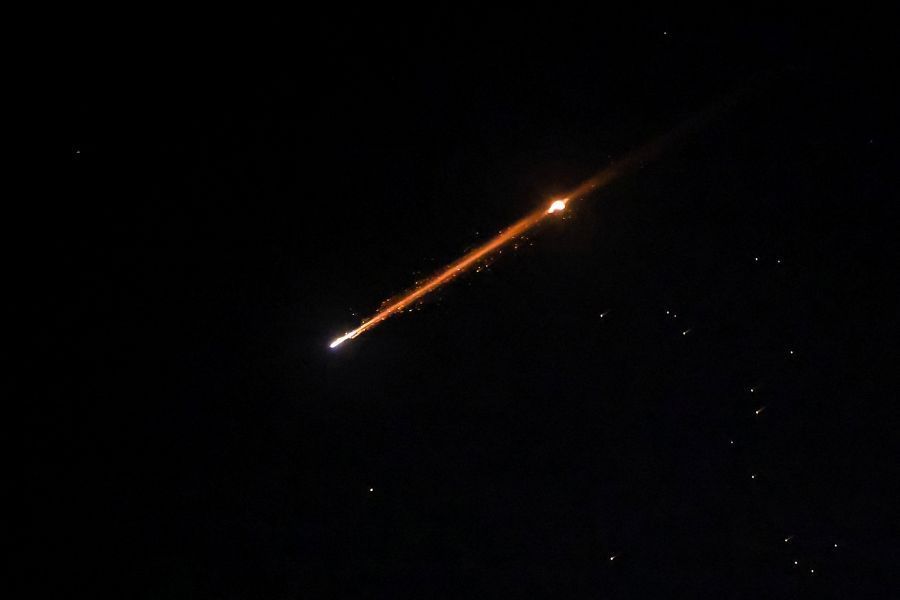
In remarks that raised eyebrows across diplomatic circles, Trump has once again, possibly for the 21st time, linked the India-Pakistan conflict to U.S. trade negotiations, claiming that four to five military jets were shot down during the hostilities and crediting his administration’s trade leverage with halting what he portrayed as a potential nuclear war.
“We stopped a lot of wars. India and Pakistan, that was going on. Planes were being shot out of the air – 4-5 jets, I think,” Trump said at a Republican event, adding that the U.S. told both sides no trade deal would be signed unless the fighting stopped.
His statements, widely seen as exaggerated, stand in contrast to official records from India and Pakistan. While Islamabad has claimed the downing of multiple Indian aircraft, New Delhi has not confirmed these numbers publicly. However, a cryptic comment by India’s Chief of Defence Staff in June hinted at some losses.
However, the timing of Trump’s remarks, just days ahead of India’s Monsoon Session of Parliament and amid stalled trade negotiations, is fuelling speculation that Washington is attempting to “arm-twist” India by raising sensitive issues of national security and diplomacy.
Terror Sanctions: Symbol or Strategy?
Adding another layer to the pressure campaign is the recent U.S. designation of The Resistance Front (TRF) as a global terrorist entity – a move hailed by India but also seen by some as part of a larger bargaining strategy.
TRF, a proxy group of Lashkar-e-Taiba, has been linked to numerous attacks in Jammu and Kashmir, including the deadly Pahalgam incident, which claimed 28 lives. India had already listed TRF as a terrorist outfit in 2023. However, Washington’s sudden recognition now raises questions.
“Pakistan has a long history of rebranding banned outfits,” said Lt. Gen. Sanjay Kulkarni (Retd.), warning that TRF’s ban will likely lead to the emergence of a new Lashkar front under another name. “This pattern of name changes will continue unless there is real pressure on Islamabad, not just designations.”
Yet the U.S. move, while symbolically aligned with India’s concerns, is also being viewed as a subtle message: play ball on trade, or face ambiguity in counter-terrorism cooperation.
A “Masala Deal” Trap?
Ajay Srivastava of the Global Trade Research Initiative (GTRI) cautions that India must proceed “with extreme caution” in any trade talks with the U.S., especially under Trump’s transactional approach.
Srivastava warns that India could be drawn into a lopsided deal where verbal assurances and media statements outweigh written commitments.
“What we’ve seen with other countries like Indonesia is that Trump talks about A++ outcomes, while the actual agreements may be far more modest,” he said. “India must avoid a masala deal — full of spice, but lacking real substance.”
He urged negotiators to insist on written, jointly released statements to prevent post-deal reinterpretations that could trap India in a one-sided arrangement, such as granting duty-free access to U.S. goods without reciprocal concessions.
Delhi’s Dilemma: Tread Carefully or Capitulate?
India has maintained that the ceasefire with Pakistan in May 2025 was achieved through direct bilateral channels, not American mediation. Still, Trump’s repeated claims of brokering peace through trade deals hint at an attempt to position Washington as an indispensable power broker in South Asia.
Analysts believe this narrative is part of a broader strategy to put India on the back foot before final trade terms are negotiated.
“Nothing concrete has materialised with Vietnam or Indonesia,” said one New Delhi-based analyst familiar with trade discussions. “But with India, Trump is publicly raising high-stakes security issues to create pressure. The timing is not coincidental.”
In the ongoing volatile global trade environment, India now finds itself in a tight spot, balancing its national security narrative, strategic autonomy, and trade ambitions, all while navigating a partner known for unpredictable deal-making.
Conclusion
As Washington ramps up the rhetoric and symbolism, India’s next moves will be closely watched. Whether it chooses pragmatism or principle in upcoming trade negotiations could redefine the future of U.S.-India economic ties and test New Delhi’s diplomatic resolve like never before.
Huma Siddiqui