


Saudi Arabia’s decision to purchase drones from Taiwan has drawn attention because it reflects a broader transformation underway in Riyadh’s defence strategy.
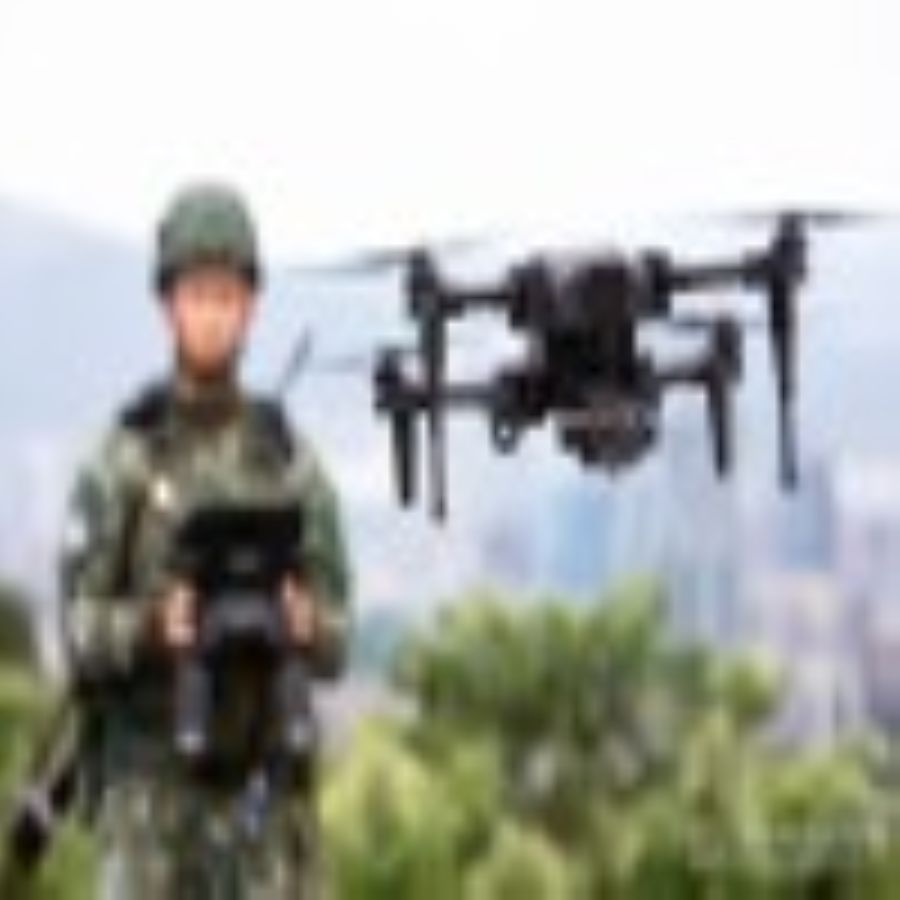
The Kingdom imported US$47.2 million worth of unmanned aerial vehicles (UAVs) from Taiwan, marking Taiwan’s largest monthly drone export shipment to any country since official data began tracking such figures in 2023. The procurement comes at a time when Saudi Arabia is reevaluating its military requirements amid rising tensions across West Asia and seeking to expand its network of defence partners.
While the exact purpose of the drones has not been disclosed, analysts believe the systems are likely intended primarily for surveillance and reconnaissance missions. Taiwanese defence expert Su Tzu-yun, director of the Division of Defence Strategy and Resources at Taiwan’s Institute for National Defence and Security Research, said the drones were “most likely for reconnaissance,” highlighting the growing importance of unmanned systems in modern warfare.
The acquisition signals Riyadh’s attempt to diversify its defence procurement beyond traditional suppliers and develop greater strategic flexibility at a time when regional security dynamics are changing rapidly.
Washington has been the Kingdom’s primary source of advanced defence systems, including fighter aircraft, missile defence systems, training and security cooperation.
However, recent geopolitical developments have encouraged Riyadh to broaden its options.
Wars in Ukraine and Gaza, tensions with Iran, attacks by non-state actors with drones and missiles and uncertainty over the future shape of American engagement in the Middle East have all pushed Gulf countries to rethink their defence strategies. The lesson from recent conflicts is clear: relatively inexpensive drones can present significant challenges even for technologically advanced militaries. From the Russia-Ukraine war to attacks on Gulf infrastructure by armed groups, unmanned systems have become central to modern battlefield calculations.
Their relatively low cost, operational flexibility and ability to provide persistent surveillance make them attractive to countries seeking additional capabilities.
The Kingdom is not leaving the United States, but it is seeking additional suppliers and technologies to avoid overdependence on any single country.
The deal also highlights Taiwan’s growing ambitions in the global drone market.
Taipei has fast-tracked the development of its UAV industry after observing Ukraine’s extensive use of drones against Russian forces. Taiwan itself faces security concerns because of China’s growing military pressure and has identified drones as a strategic sector alongside advanced manufacturing and semiconductor technology.
Taiwan is positioning its drone industry as an alternative to Chinese suppliers, particularly as several governments seek more trusted supply chains.
Last year, Taiwan’s drone exports increased sharply, although the island remains far behind China in production scale. Chinese companies continue to dominate the global commercial drone market, exporting billions of dollars’ worth of UAVs annually.
The Saudi purchase gives Taiwan a major breakthrough in the Middle Eastern market.
The drone deal also fits into Saudi Arabia’s wider defence transformation under Vision 2030, Crown Prince Mohammed bin Salman’s ambitious plan to modernise the economy and increase domestic defence production.
Riyadh has set a goal of localising a significant share of its defence spending by developing domestic manufacturing capabilities, encouraging technology partnerships and attracting foreign defence companies.
It has sought cooperation with multiple countries, including the United States, China, South Korea, France, Britain, India and other emerging defence suppliers.
The timing of the Taiwan drone purchase is significant. West Asia has entered a period of heightened uncertainty, with tensions involving Iran, Israel, Gulf states and armed groups operating across the region.
For Saudi Arabia, which has previously faced drone and missile attacks targeting critical infrastructure, improving surveillance and defence capabilities remains a priority.
New Delhi’s relationship with Riyadh has grown significantly through cooperation in energy, investment, maritime security, and defence. At the same time, Saudi Arabia’s defence ties with Pakistan show that Gulf states are pursuing their own multi-alignment strategy, keeping multiple partnerships active simultaneously.
Despite diversification efforts, the United States remains Saudi Arabia’s most important defence partner. American aircraft, missile defence systems, intelligence cooperation and military training continue to form the foundation of Saudi security architecture.
Saudi Arabia’s purchase could have implications beyond the Middle East. The deal demonstrates that countries are increasingly looking for alternatives in defence supply chains, particularly in emerging technologies such as drones, artificial intelligence and autonomous systems.
For Taiwan, the agreement represents validation of its efforts to become a credible global technology supplier.
The future battlefield is unlikely to be shaped only by expensive fighter jets and missile systems. Affordable, intelligent and widely deployable technologies such as drones are becoming equally important.
Saudi Arabia’s latest purchase from Taiwan shows that Riyadh understands this shift and is positioning itself accordingly.
Team BharatShakti