


‘Winning the war but losing the battle’ is an old adage used extensively by both combatants and non-combatants all over the world. However, in the case of Operation Epic Fury in Iran, and the ceasefire agreed to by both the Americans and the Iranians, it would be difficult to determine who is it between the US and Iran that won the war, and who is it that lost the battle. If we trace it back to the acceptance speech by the reps of both parties, Hegseth, President Trump’s Secretary of War said Iran ‘Begged for a ceasefire’. Across the divide, Iranian leaders congratulated their people for, “forcing the criminal America to accept its 10-point plan.” Globally, the ceasefire has been applauded, however fragile it may have seemed, as the world awaits JD Vance’s landing at Islamabad to meet the Iranian representatives, apparently the Speaker of Parliament Mohammad Bagher Ghalibaf and Foreign Minister Abbas Araghchi.
The 10 points that Iran had sent starts with non-aggression by both parties. However, the list runs into a land mine when viewed in the light of another point that Iranians have on the list regarding Lebanon’s status vis-à-vis Operation Epic Fury. The issue will be discussed later.
The all-important issue listed is, the Strait of Hormuz will be open, but traffic control will be handled by Iran.
Iran wants all primary and secondary sanctions removed. It also wants access to its frozen assets abroad. The issue should get resolved when the two parties meet in Islamabad.
Iran has asked for termination of all UN Security Council resolutions and also those of the IAEA Board of Governors.
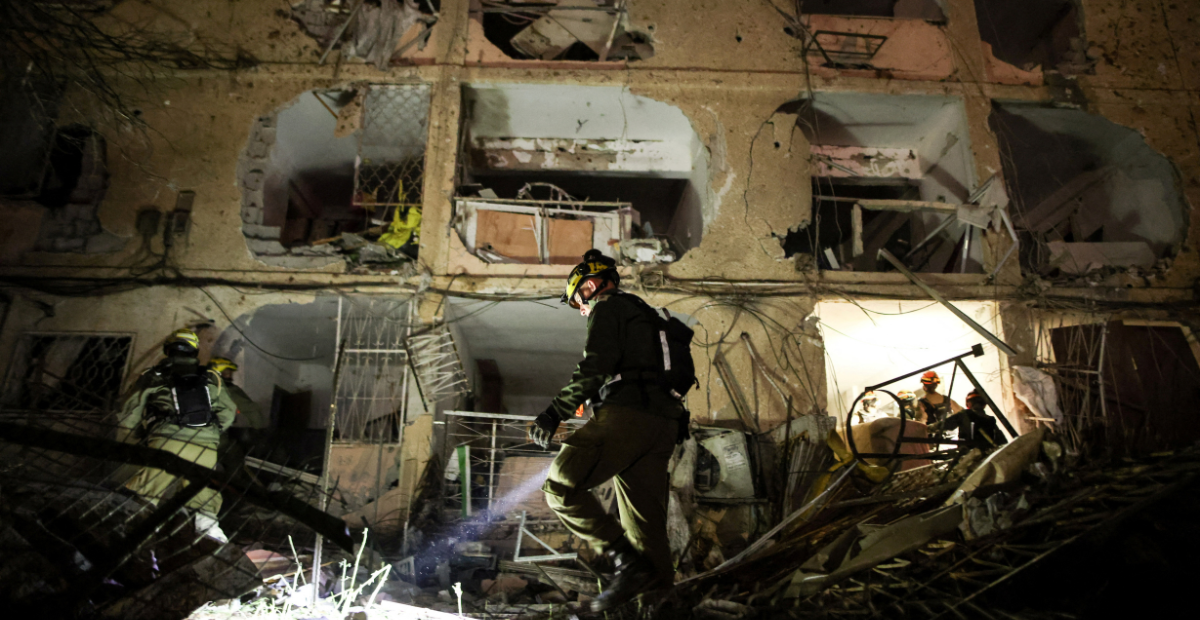
Iran expects to be compensated for the extensive damages it has suffered. That includes damages to infrastructure, economy and lives. Its neighbours Bahrain and UAE are also expected to pay since their bases were used by the US.
PBS News reports that ‘Iran and Oman are working on a proposal to split fees in the waterway, and Tehran insists it will maintain military control there, potentially granting itself a new source of revenue…’
Should such a thing be attempted, surely the move will be opposed at capitals across the world. There are other such water channels, and tolling at Hormuz will result in a clamour elsewhere too. A world economy already shaky, could well do without any additional levies.
Regarding non-aggression, a basic issue, there is a difference of opinion amongst the countries involved in the ceasefire agreement. The Iranians and Pakistani Prime minister Shehbaz Shariff believe the deal includes Lebanon. The Iranian list of 10 points separately lists “Cessation of war on all fronts, including against the heroic Islamic Resistance of Lebanon.” Pakistani President Shehbaz’s Tweet reads, “… immediate ceasefire everywhere including Lebanon and elsewhere, EFFECTIVE IMMEDIATELY.”
The Israeli response to Iranian and Pakistani views on Lebanon inclusion has been one of the heavier bombing runs over Lebanon, killing Naim Qussem, the Hezbollah leader, in the bargain. Meanwhile the US has clarified that the ceasefire agreement does not include Lebanon.
Notwithstanding the expected arrival of the American Vice President and Iranian representatives at Islamabad tomorrow to initiate perhaps the highest level of talks so far, the death of the Hezbollah leader’s death has cast a dark shadow on the talks. Though the talks have not been ruled out so far, doubts have crept in about the Iranians withdrawing from the exercise. The Israelis have also said they are sceptic about Pakistan playing a mediator’s role.
Hopefully, peace will get a chance and the talks will go ahead as planned. It may not be feasible to work out a comprehensive plan for lasting peace in the area during the Islamabad meet, but should an interim arrangement be reached and more contentious issues addressed progressively, West Asia and the global economy might even now be able get away without slipping into a recession.
Brig SK Chatterji (Retd)
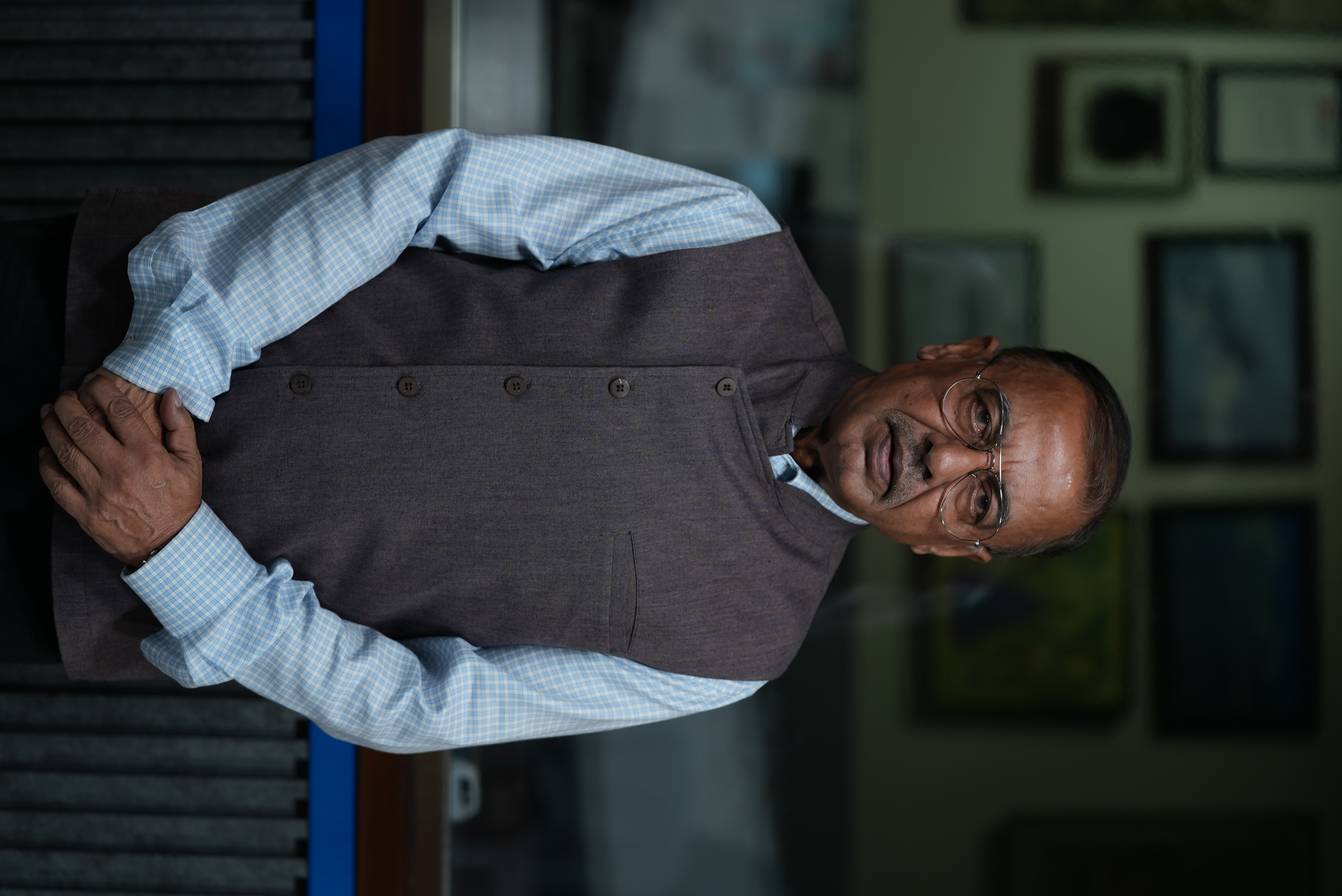
The officer was commissioned into the Regiment of Artillery after graduating from the Indian Military Academy.
A graduate of the Defence Services Staff College and the Army War College, he commanded a medium artillery regiment in a high-altitude sector and later an artillery brigade in the desert.
He retired as Deputy Director General (Strategic Communication) at Army Headquarters.
A prolific defence commentator, he is the author of Vintage Guns of India' and has co-authored and edited several other books.
His articles on defence and strategic affairs have appeared in leading newspapers and military journals in India and overseas.
Following his retirement from the Army, he served at the apex level of an Indian multinational before becoming the founding editor of BharatShakti, a role he held for over a decade.