




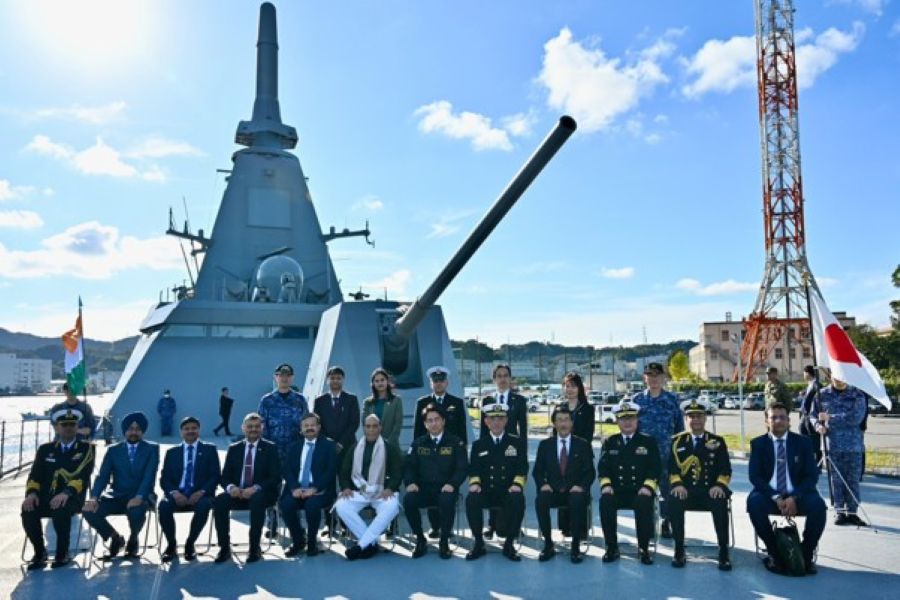
Japan is exploring new defence cooperation with India as it searches for overseas locations to test its next-generation missiles and unmanned combat systems, signalling a broader push to strengthen its military preparedness.
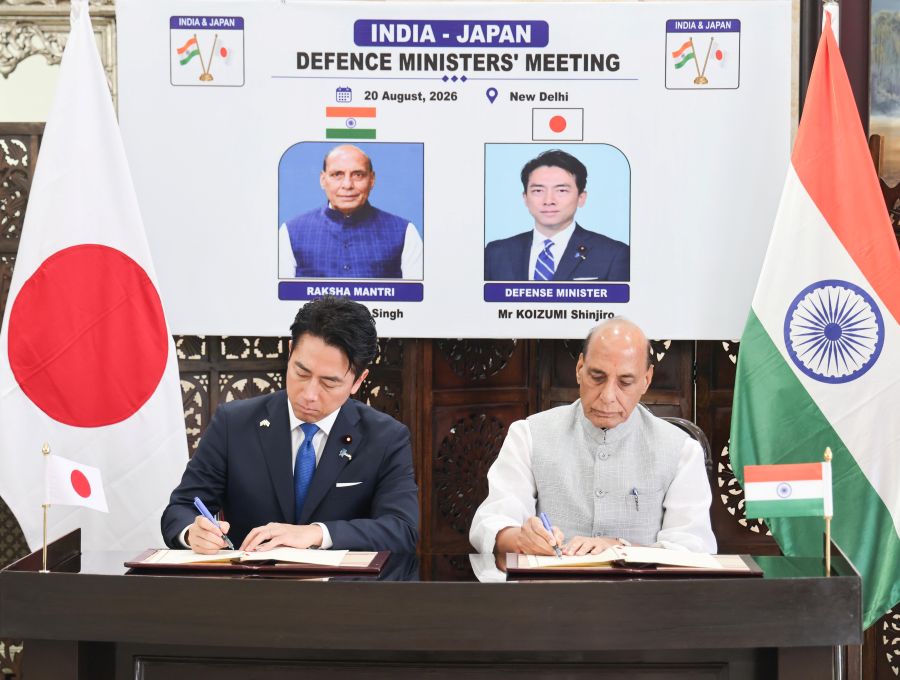
According to the joint statement issuded by the two sides at the end of the 2+2 Ministerial Dialogue in Tokyo, A significant development was the signing of a Letter of Intent on the use of firing ranges in India by Japan’s Self-Defence Forces. The arrangement would enable Japanese forces to undertake live-fire training in India for the first time, including training involving surface-to-ship missiles. Both sides agreed to expedite the necessary coordination.
The move comes as Tokyo faces difficulties finding suitable domestic facilities for testing weapons with extended operational ranges. Japan’s Type-25 anti-ship missile, capable of travelling approximately 1,000 kilometres, is among the systems under consideration.
Ground Self-Defense Force Chief of Staff General Masayoshi Arai confirmed that a Japanese delegation visited India last month. During its week-long trip, the team had assessed several potential locations and discussed opportunities for testing smaller attack drones.
Japan’s interest also extends to its planned SHIELD coastal defence network, which will combine aerial, maritime and underwater drones with long-range strike capabilities. Testing these systems at home presents logistical and regulatory difficulties, particularly concerning communication signals, public safety and civilian infrastructure.
India is not the only country being considered. Japan is also pursuing expanded access to Australian military testing facilities, with discussions between the two governments covering missile-related cooperation over the coming decade.
The developments highlight Tokyo’s efforts to diversify its defence training infrastructure as security tensions involving China and North Korea continue to shape Japan’s military planning.
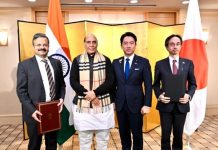
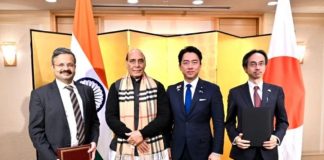
As reported previously, defence minister Rajnath Singh participated in the 4th edition of India-Japan Foreign and Defence Ministers’ Dialogue (2+2) in Tokyo. He held bilateral discussions with his Japanese counterpart Shinjiro Koizumi during his official visit to Japan from November 18 to 19, 2026.
During the talks both sides also reviewed the bilateral strategic and defence cooperation, exchanged views on regional & global developments. And the two sides reaffirmed the shared commitment of the two nations to a free, open, inclusive, and rule-based Indo-Pacific.
Huma Siddiqui